An attack on one of the primary schools in Tehran has killed at least 148 people, a majority of them children, the Iranian authorities have said, what is being described as the most devastating event against civilians since the United States and Israel undertook their joint military operation against Iran.
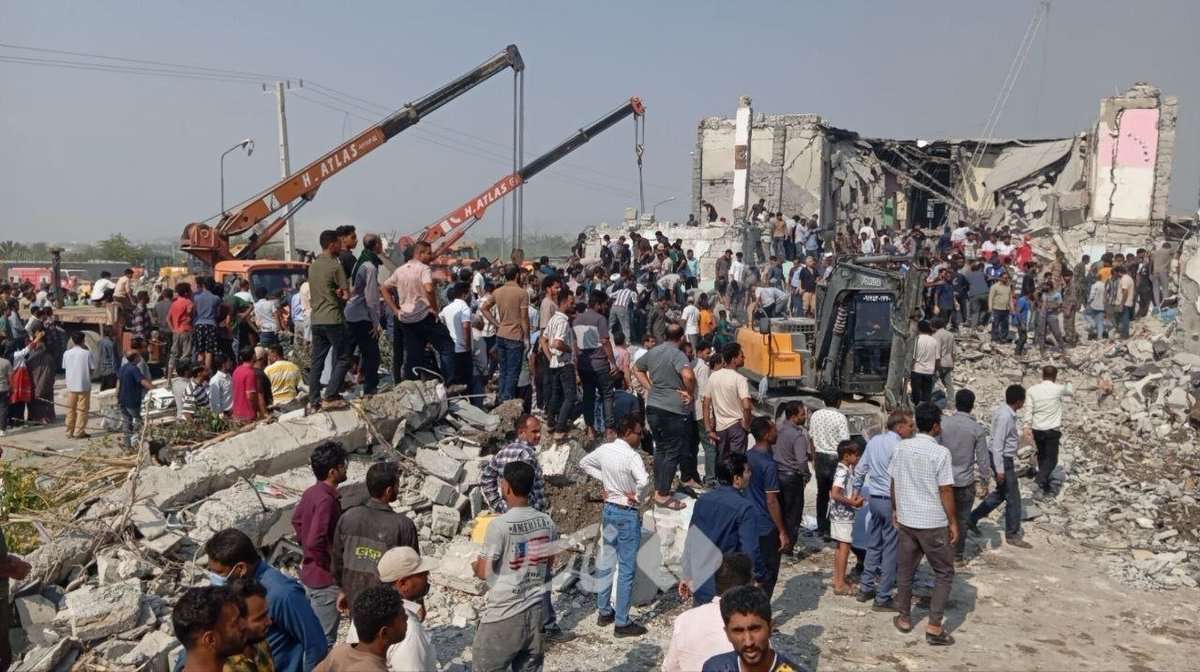
The school targeted the Al-Zahra Primary School in the Shahrak-e Gharb district of western Tehran at the time of morning classes when hundreds of students and personnel were on the school premises. The rescued persons took hours of effort to extract other survivors among the debris as parents crowded at the periphery, some of whom could not even access their children. The footage of the destroyed building, with upper floors completely collapsed, was shown by Iranian state television and emergency services worked in clouds of dust and debris.
Strike on Iranian primary school kills 148, authorities say
The Iranian authorities announced that 148 individuals were killed, at least 121 of which were children between six and twelve years old. An additional 74 others were said to have been injured, some critically. The number of dead was likely to increase with rescue efforts going on till evening.
The acting government was summoned in an emergency sitting in Iran following the death of Supreme Leader Ayatollah Ali Khamenei earlier in the weekend and directly pointed the blame on the United States and Israel terming the strike as a war crime. A government spokesman in a televised speech said, “This is the face of the aggressor. “Children. Classrooms. Futures, destroyed.”
Both Washington and Jerusalem have not taken the blame of the school strike. The US Department of Defense asserted that it was not ignorant of the reports and that an investigation was in progress, and said that American troops did not intentionally attack civilian infrastructure. The Israeli military declared that it can investigate the incident but did not speak more.
The United Nations responded angrily. Secretary general Antonio Guterres expressed disgust upon hearing about the strike, and demanded an independent investigation. He said that the killing of children must not be acceptable in any situation. They should bring to book those that are at fault. The UN Human Rights Office replied that it was collecting information and that any attack on schools amounts to a great breach of international humanitarian law.
In Washington, the strike immediately received sharp and strong condemnation by the opposition lawmakers, some of whom demanded to stop military operations until a complete investigation was undertaken. The school incident was not directly mentioned in the White House where a spokesperson insisted that the operation was still military and nuclear oriented.
The foreign response was very rapid. Emmanuel Macron, the French President, expressed his shock and the need to halt the firing. The office of the UK PM said that Sir Keir Starmer was briefed and showed great concern. The foreign ministry of Germany demanded a complete investigation of the event. Human rights groups such as Amnesty International and Human Rights Watch indicated that once the strike was proved to be intentional or careless, it would amount to a war crime according to the Geneva Conventions.
In Tehran, the atmosphere beyond the school changed to one of hopeless hope to one of mourning hours went by and no more survivors were found. Parents were also spotted on the verge of breaking through the cordon by the police. Rudimentary vigils were organized around the streets, and there were photographs of missing children tacked to walls and fences.
The incident is likely to radically change the international calculation of the conflict. Some of the governments who had made measured reactions to the original strikes are now under fresh pressure to have a tougher stance. Sunday evening an emergency meeting was convened at the UN Security Council and the members are likely to demand an immediate resolution to ceasefire.
It is not known whether the strike was caused by a targeting mistake, erroneous intelligence or intention. What does not lie in dispute is the magnitude of the loss – and the age of the majority of the people who perished.
FREQUENTLY ASKED QUESTIONS
Q: What was happening in the school in Tehran?
A: A bomb struck the Al-Zahra Primary School in the Shahrak-e Gharb district of the west of Tehran when classes were in progress in the morning. According to Iranian officials, at least 148 were killed including 121 children aged between six and twelve with dozens more injured. The top-story building collapsed completely.
Q: Who carried out the strike?
A: No one has taken responsibility, neither the United States nor Israel. The US Department of Defense announced that it was investigating the reports of the incident and that American forces do not intentionally target civilian infrastructure. The Israeli military claimed that it was investigating the incident but refused to make any additional comment. The acting government of Iran directly blamed the two countries.
Q: Do you consider war crime as striking a school?
A: According to the international humanitarian law, intentionally targeting civil infrastructure such as schools is outlawed under the law and may be classified as a war crime. The human rights groups like Amnesty International and the Human rights watch declared that the threshold might be met in case the strike is confirmed as premeditated or executed with irresponsible ignorance of civilian lives. The UN human rights office reported that it was collecting information.
Q: What has the international community done about it?
A: Response has been rapid and has been mostly a response of horror. The UN Secretary general demanded an independent investigation immediately. France, Germany and the UK were very much concerned and demanded accountability. The lawmakers in the US who had been against the activities of the US military called for a suspension of the activities until there was a complete investigation. A UN Security Council session on emergency was summoned on Sunday evening.
Q: Will this alter the course of the conflict?
A: Potentially, yes. The attack on the school is likely to change international opinion considerably. Some governments that had responded in measured form to the first military action are under pressure to be more aggressive.
Q: What is going on the ground in Tehran?
A: Rescue workers were still engaged in their work during the day, and the subjects of the strike were dragged out of the rubble for several hours. Mobs of parents were gathered in front of the school.