
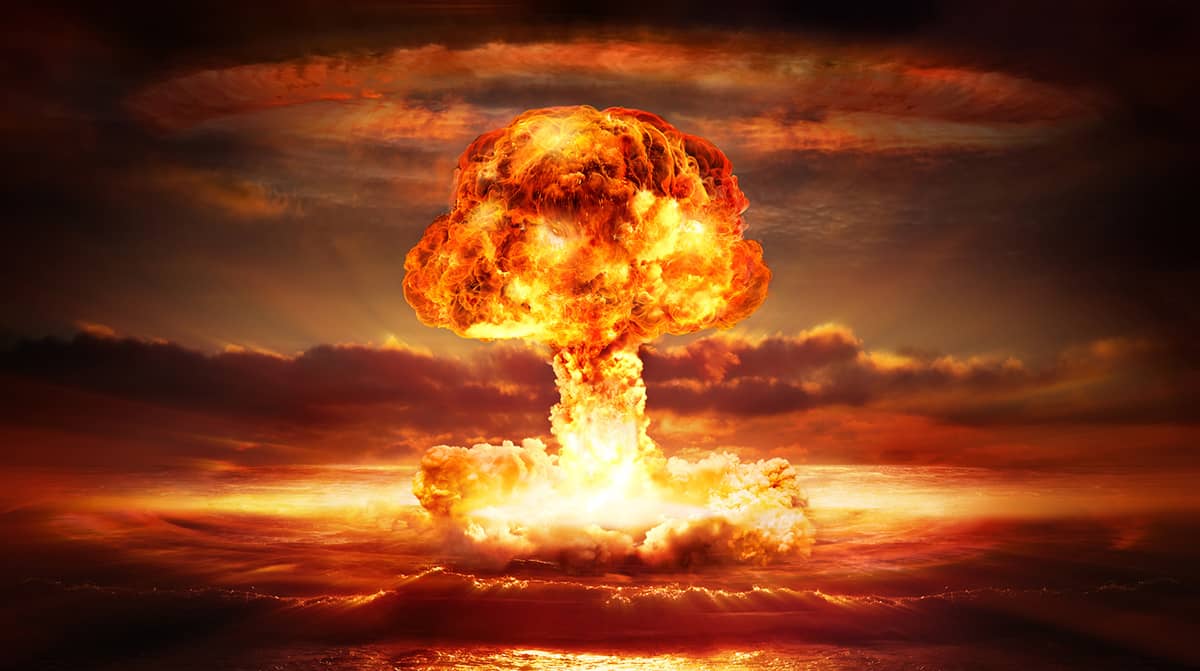
The Is Iran going to bomb the US question has been the most discussed question online in the recent past as tensions between the two countries increase. The recent military attacks, political threats and intelligence warnings have raised a lot of concern to the world whether the battle would reach even greater heights.
Nevertheless, although the condition is grave, analysts and intelligence agencies indicate that a direct massive strike of Iran of the mainland of the United States is rather unlikely at the present. Rather, the bigger threat is the indirect attack, computer activities or sabotage of American interests in other countries.
The new news and analyst commentary tells you this.
Why the Relationship between Iran and the US is Getting worse.
The ongoing crisis started when U.S and Israeli troops have conducted large-scale airstrikes on Iranian military and nuclear related targets on February 28, 2026, and this triggered an escalation of the conflict in the region.
Those attacks, supposedly, killed some of the Iranian leaders and destroyed main military installations. This has been followed by the exchange of threats by both parties as well as military acts.
Iran has responded by:
Attacking ships in the Strait of Hormuz.
Attacking the infrastructure in the area.
Backing proxy groups that assault the U.S. bases in the Middle East.
These changes have brought concerns that the war might extend out of the region.
Would Iran Directly attack the United States?
Based on the intelligence estimates by the United States, it is not probable that Iran is going to attack the U.S. soil in the immediate future.
The security agencies are of the opinion that Iran would have significant logistical and military difficulties in unleashing a massive attack on the United States mainland.
Rather, analysts believe that Iran will react more by using:
- Cyber attacks
- Proxy militias
- Drone attacks or regional missile attacks.
- Attacks on shipping routes
- These methods will enable Iran to bully the U.S without a full-blown war.
FBI Drones Threats Advice.
Although there are small chances of a direct assault, American officials continue to watch out possible threats.
In the recent past, there have been an intelligence alert that Iran could also try to attempt a drone strike which would be launched by a ship off the coast of the United States and could target places in California.
Nonetheless, the authorities pointed out that:
- This was a precautionary warning.
- It had no verified schedule or goal.
- The warning was supposed to make people more vigilant.
- That is, it was a risk evaluation and not evidence of an eminent attack.
The present Military Strategy of Iran.
Iran is seemingly targeting regional revenge as opposed to attacking the United States directly.
Recent incidents include:
- Drone and missile attacks on vessels off the Strait of Hormuz.
- Infrastructure attacks in the Gulf region.
- Risks to oil supply routes throughout the world.
These measures are directed at interfering with the international trade and pressurizing the governments of the West without engaging in a face-to-face battle on the territory of the U.S.
This is known as a war of attrition strategy to the opponents, where Iran attempts to impose more economic and political costs on the opponents.
The Proxy Attacks on the US Forces.
The other significant threat is that of Iran support groups in the Middle East.
Previously these militias have attacked US military bases in countries like:
- Iraq
- Syria
- Kuwait
In a recent event, an Iran associated drone attack killed an American service member based in Kuwait.
These proxy attacks are termed as one of the best tools used by Iran since it enables Tehran to exert pressure taking the roles of being held responsible.
Economic and Cyber Warfare
Iran can also retaliate in form of non-military means.
The security experts alert over the possible attacks that include:
- Strikes on the US financial systems.
- Shock to international shipping.
- Energy infrastructure attacks.
- Influence campaigns online
Cyber warfare against Iran has been previously applied to banks, government agencies, and energy companies.
Without the missiles or bombs such operation can be a great disruption.
The Responsiveness of the US Government.
The United States has made extra military preparedness and security surveillance.
Actions include:
- Enhancing the air defense.
- Enhancing sea patrols in the Persian Gulf.
- Surveillance of drone threats, missile threats.
- Integrating allied intelligence.
Officials have also threatened that there will be a strong retaliation in case of an attack on U.S. soil.
This is a powerful deterrent effect, and this is one of the reasons why observers do not think that a direct Iranian attack will take place.
Would the War Spiral to a larger one?
The case is volatile even though the United States is unlikely to be attacked directly.
The biggest risks include:
- Fighting expansion in the Middle East.
- Interruption in the supply of oil worldwide.
- Hacking attacks on the West.
- Unintentional growth due to military accidents.
Due to the fact that both parties have a considerable military strength, most observers think that the two governments will make every effort to prevent actions that can trigger open warfare.
What Experts Are Saying
According to the military analysts, the war will closely be regional rather than international.
Traditionally Iranian military policy is geared towards:
- Asymmetric warfare
- Proxy forces
- Missile deterrence
The immediate assault on the mainland of the United States would most likely result in a massive retaliation against Iran leaving the Tehran party with no choice but to act as a risky target.
Summary Conclusion: Will Iran Bomb the US?
At the moment, it is not yet clear that Iran has intentions to bomb the United States.
Although the situation in the Middle East is highly tensed and the war is going on, intelligence organizations believe that it is unlikely to be attacked on a large scale on the American soil.
The more realistic risks are:
- Proxy attacks in the Middle Eastern world.
- Cyber warfare
- Interruption of international trade lines.
- Restricted drone/missile attacks overseas.
In the meantime, governments and security organs throughout the world are keeping a close eye on the situation as the war keeps taking a new dimension.