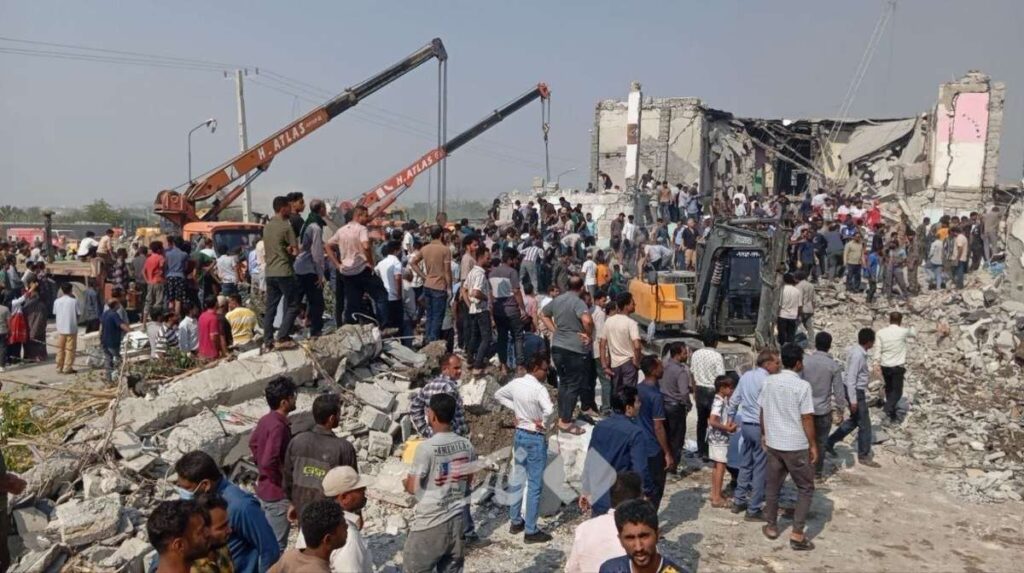
Reports on the crash of a NASA satellite back to earth usually attract the attention of the world and has a lot of questions. When individuals are informed that a spacecraft is plummeting off space, the doubts begin to spread rapidly over potential damages, risk to safety, and the location where the debris will fall.
Spaces agencies such as NASA however are very vigilant over returning satellites and space debris back to the earth. These occurrences are well monitored in any case, and they can hardly be dangerous to the people on the ground.
Why Satellites will drop down to earth again.
The satellites move at exceptionally high speeds circling the earth, although they never remain in the space. Their orbit can slowly deteriorate over time due to a number of factors.
One of the reasons is the thin layer of atmosphere that is still present on the earth even many kilometers above the ground. The atmospheric drag also reduces the speed of satellites with time thereby making them lose their altitude.
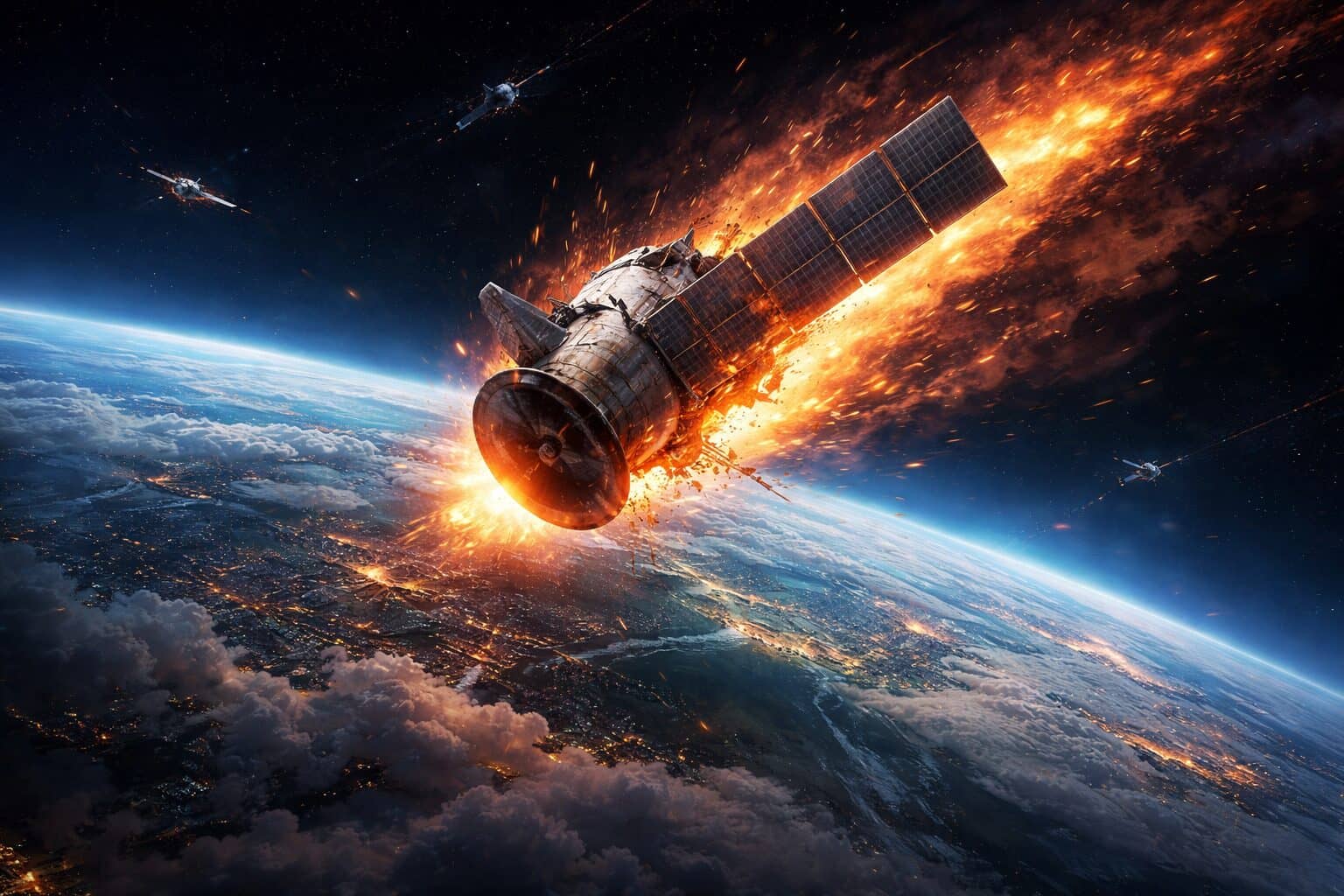
The spacecraft finally enters the atmosphere of the earth as their orbit becomes lower. Now, flames and friction start tearing the satellite to pieces.
What Happens During Reentry
Once a satellite has started to fall on the earth, it moves at a speed of over 27,000 kilometers per hour. The collision between the atmosphere and the spacecraft results in very high temperatures.
Due to this heat, most of the satellites burn down completely before they hit the earth. Some of the large structures which interact with the process of reentry include metal tanks or engine parts but they mostly end up in oceans or distant areas.
The space agencies, including NASA, make the satellite designs in such a way that they can safely disintegrate during the reentry to minimise the dangers on the earth.
Well-known Satellite Reentry Cases.
Some of the most famous moments have involved the satellites which are coming back to earth. The case of the Upper Atmosphere Research Satellite (UARS) which re-entered the atmosphere in 2011 did not pass without the previous 20 plus years in the atmosphere.
The descent of the satellite was monitored closely by NASA and even though small fragments of debris should have been left behind, none of them were reported to have left damage and injuries.
The other example was the ROSAT satellite, which was a German built spacecraft that in the same year reentered into the atmosphere of the earth. Similar to most of these events, most of the satellite disintegrated before hitting the ground.
These events indicate that satellite reentries may sound alarming, but it is quite commonly controlled and is hardly a dangerous event.
Watch: how NASA Tracks Falling Satellites.
To monitor satellites and other space objects, NASA has a system of tracking equipment and space monitoring programs that are available. These systems determine the precise point of reentry of a spacecraft and the time it takes.
Scientists examine the speed of orbital, altitude, climate conditions, and the size of spacecrafts. Based on this information, they approximate the location of the debris satellite in its landing.
Since the majority of the surface of the Earth is covered with oceans and deserted land, the possibility of the debris striking populated places is extremely low.
Space debris is increasingly becoming a problem.
The number of safe controlled satellite reentry is generally safe, but specialists claim that the increasing space debris is developing into a significant issue. There are thousands of dormant satellites, rocket fragments, and other pieces that are currently in orbit around the earth.
In case these bodies hit active satellites, they may produce additional debris that augers up the danger of subsequent space missions.
Space agencies and the private businesses are developing technologies that can deorbit the old satellites safely or remove them to avoid this problem.
Planned Satellite Deorbiting.
In most instances, the satellites are deliberately targeted back to the earth at the expiry of their useful life. This is referred to as controlled deorbiting.
The remaining fuel is used by engineers to control the spacecraft to librate towards some distant part of the Pacific Ocean referred to as the spacecraft cemetery. This is a remote location that is distant along shipping paths and densely populated areas.
Vehicles that are large such as parts of the International Space Station and old satellites are usually guided towards this point in order to reenter safely.
Risk and Public Safety Levels.
Although there have been dramatic reports of the falling of satellites, specialists claim that chances of the people of this planet falling ill are very minimal. NASA claims that the chances of someone being struck by the debris of satellites is much lower than various risks in everyday life.
It is a scientific fact that an individual has a greater likelihood of being hit by lightning as compared to falling debris of space.
Space agencies also publish public announcements whenever a big spacecraft is likely to reenter the atmosphere of the planet, so that governments and emergency agencies can be aware of it.
The Future of Satellite Management.
As space technology is growing fast and thousands of new satellites are being launched by governments and private organizations, control of satellite lifecycle is now more significant.
Newer satellites will also have better deorbit systems that automatically revert them back to the earth after the completion of their mission.
This will assist in decreasing the long-term debris in space and will make the operations in the orbit of Earth safer.
Conclusion
The fact that a NASA satellite falls back to the earth might be frightening yet in actual sense such occurrences are mostly anticipated and closely observed. The majority of satellites are destroyed by the atmosphere before they impact on the ground, and probability of the debris to cause damages is very minimal.
Space exploration is steadily rising and organizations such as NASA, are aiming at coming up with improved technologies and policies that would see to it that satellites are handled in a responsible manner that would leave space, and earth safe.